Understanding the 4Cs
of Diamonds
Cut, colour, clarity and carat are the four criteria by which every diamond is graded. Understanding what they mean, and how to trade one against another, is the most valuable thing you can learn before buying an engagement ring.
The 4Cs were developed by the Gemological Institute of America (GIA) in the 1940s and are now the universal language for describing diamond quality. Any reputable jeweller in London will grade their diamonds according to this system, or an equivalent standard such as HRD or IGI.
Cut: The Most Important C
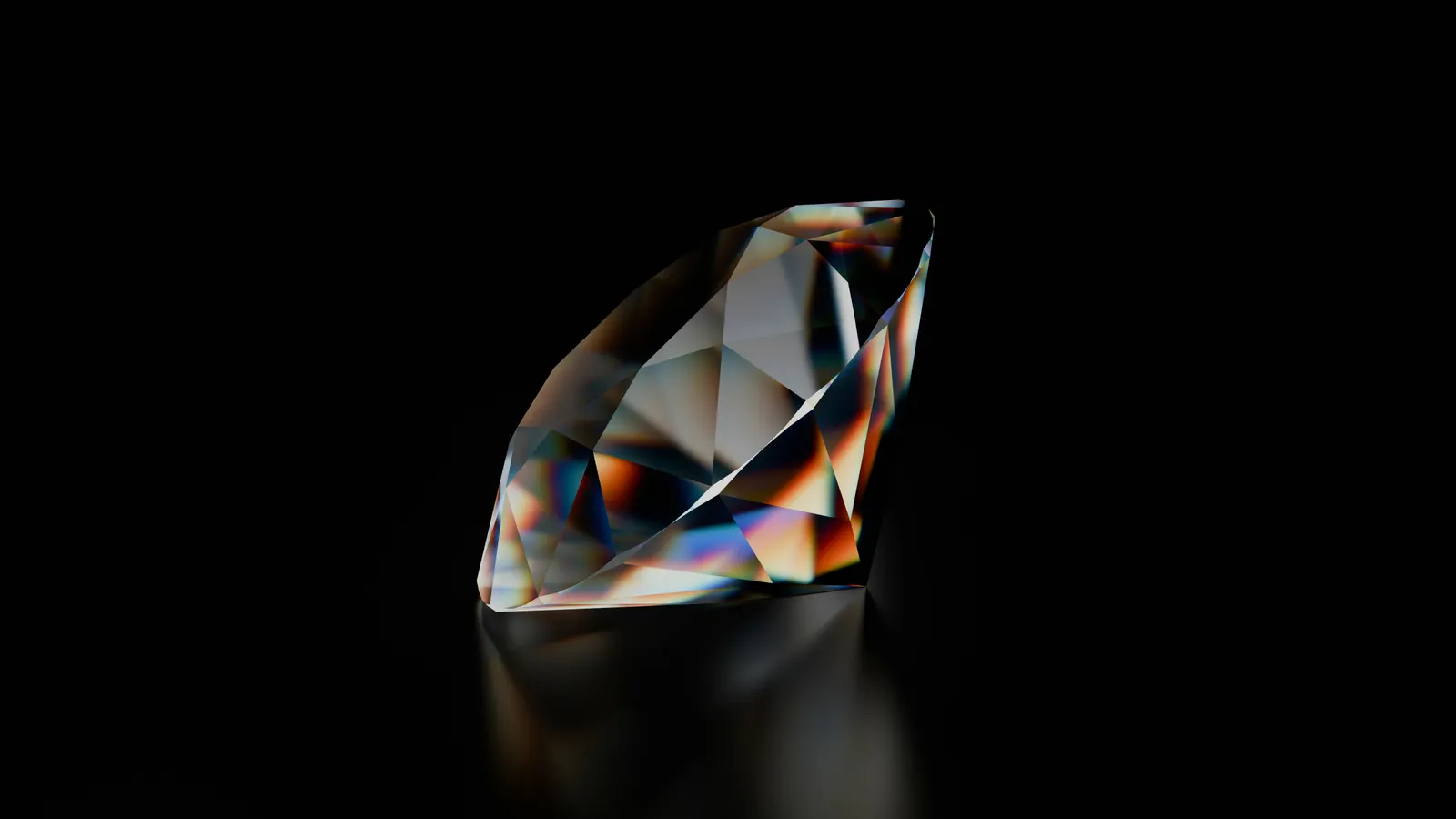
Of the four Cs, cut has the greatest influence on a diamond's beauty, and it's the one most within a jeweller's control. Cut doesn't refer to the shape of the diamond (round, oval, pear, etc.) but to how well the diamond has been cut from the rough stone: the precision of its angles, symmetry, and finish. If you want to understand how different shapes compare in actual size, our diamond shape guide shows all six major cuts drawn to scale at each carat weight.
A well-cut diamond reflects light in a way that creates the brilliance, fire, and scintillation that makes a diamond visually exceptional. A poorly cut diamond, even one with excellent colour and clarity, will appear dull and lifeless by comparison.
The GIA grades cut on a scale of: Excellent, Very Good, Good, Fair, Poor. For an engagement ring, we recommend a minimum of Very Good, with Excellent being the clear preference if budget allows. Never compromise significantly on cut to upgrade another C.
To see why, the cut guide lets you drag a stone's angles and watch the light return to your eye or leave through the bottom.
Colour: Less Is More
Diamond colour is graded on a scale from D (colourless) to Z (light yellow or brown). The most valuable diamonds are colourless, they allow white light to pass through without interference, producing more brilliance.
In practice, the difference between grades is subtle and often invisible to the untrained eye, particularly once a diamond is set. The key insight is that colour is significantly more noticeable in larger stones, and in yellow gold settings (which can reflect warmth into the stone) colour matters less than in white gold or platinum.
Our practical guidance: For a platinum or white gold solitaire, aim for G–H colour at minimum. For yellow gold, I–J can be excellent value and the slight warmth is often undetectable, or even flattering. The colour guide lines the grades up face-up in each metal so you can judge for yourself.
Clarity: Rarely as Important as You Think
Every diamond forms under enormous pressure deep in the earth, and that process almost always leaves its mark. Tiny natural imperfections get trapped inside during formation: microscopic crystals, minute fractures, traces of other minerals. The industry calls these internal marks inclusions, and minor surface marks blemishes. Clarity is simply the measure of how many there are, and how visible they are.
The GIA clarity scale, from best to worst:
- FL / IF: Flawless / Internally Flawless. Essentially perfect under magnification. Extremely rare and priced accordingly. For most buyers, this is paying for a distinction that exists only under a microscope.
- VVS1 / VVS2: Minute imperfections, invisible even under 10x magnification. Exceptional quality, but again: you are paying for perfection that no one will ever see with the naked eye.
- VS1 / VS2: Very minor imperfections, not visible to the naked eye. An excellent grade for an engagement ring. Strong value.
- SI1 / SI2: Small imperfections, visible under magnification. SI1 is usually eye-clean; SI2 sometimes isn't. Always inspect in person in normal light before buying at this grade.
- I1 / I2 / I3: Imperfections visible to the naked eye without any magnification. We do not recommend these for engagement rings.
The concept to hold onto is eye-clean: a stone that looks perfect when you look at it naturally, without a loupe or magnification. Most VS2 and many SI1 diamonds meet this standard. They cost significantly less than VVS grades for no visible difference in how the ring actually looks on her hand.
Our practical guidance: Target VS2 or SI1 and ask to look at the stone in normal lighting (not under a jeweller's spotlight) before you commit. The jump from SI1 to VVS2 can double the price for an improvement that is invisible in everyday wear.
If the letters still feel abstract, the clarity guide puts a loupe in your hand: pick a grade, move over the stone, and see what a grader sees at 10x and what you would see from across a table.
Carat: Size Isn't Everything
Carat is the unit of measurement for diamond weight (1 carat = 0.2 grams). Because carat weight is the most tangible and easily communicated of the four Cs, it tends to dominate conversations about engagement rings, often to the detriment of the other three.
Two important points. First: carat is weight, not size, a well-cut 0.9ct diamond will often appear larger than a poorly-cut 1.0ct stone, because the well-cut stone reflects light outward rather than trapping it inside. Second: price increases disproportionately at whole carat weights. A 0.95ct diamond of the same quality as a 1.0ct diamond may cost 20–30% less, with no visible difference in size.
Our practical guidance: Consider buying slightly below popular thresholds (0.90ct instead of 1.0ct, 1.45ct instead of 1.5ct) and reinvest the saving in cut quality.
How to Balance the 4Cs
The honest answer is that most buyers cannot afford to optimise all four simultaneously, and they don't need to. The practical hierarchy, in order of priority, is:
- Cut first. Never compromise significantly. Excellent or Very Good only.
- Colour second. G–H for white metal settings. I–J acceptable for yellow or rose gold.
- Clarity third. Eye-clean is sufficient. VS2 or SI1 (verified) is excellent value.
- Carat last. Buy the largest eye-clean, well-cut, good-colour stone your budget allows, not the largest carat weight at the expense of the other three.
"A smaller diamond with exceptional cut will always outshine a larger stone that has been cut to maximise weight. The light doesn't lie."
Certification: Non-Negotiable
Every diamond you consider for an engagement ring should come with an independent grading certificate from one of the following recognised laboratories:
- GIA: the global gold standard. If you can only remember one, remember this one.
- HRD: Antwerp-based, widely respected, particularly in European markets.
- IGI: acceptable, though generally considered slightly less rigorous than GIA.
Do not accept a diamond graded only by the jeweller's own in-house assessment. Independent certification is what gives the grading its integrity, and it is essential for any future resale, insurance, or appraisal. All the jewellers in our Mayfair, Hatton Garden, and Knightsbridge guides work with independently certified stones as standard.
More Guides
Setting a Budget
What different price points get you in London, and how to spend intelligently.
Read guide → DecisionBespoke vs Ready-Made
The honest difference, and how to decide which approach is right for your situation.
Read guide → LocationsWhere to Buy in London
Our district-by-district guide to London's finest engagement ring jewellers.
Explore →Diamond Shape Guide
See every cut drawn to scale and understand the character of each shape before you commit to one.
Read nextOr go straight to the Hatton Garden visit planner or the Top 100.